
By Carlos Banda
THE Indian Ocean Islands of Zanzibar have reaffirmed commitment towards achieving generation equality through advancing women’s economic justice and rights.
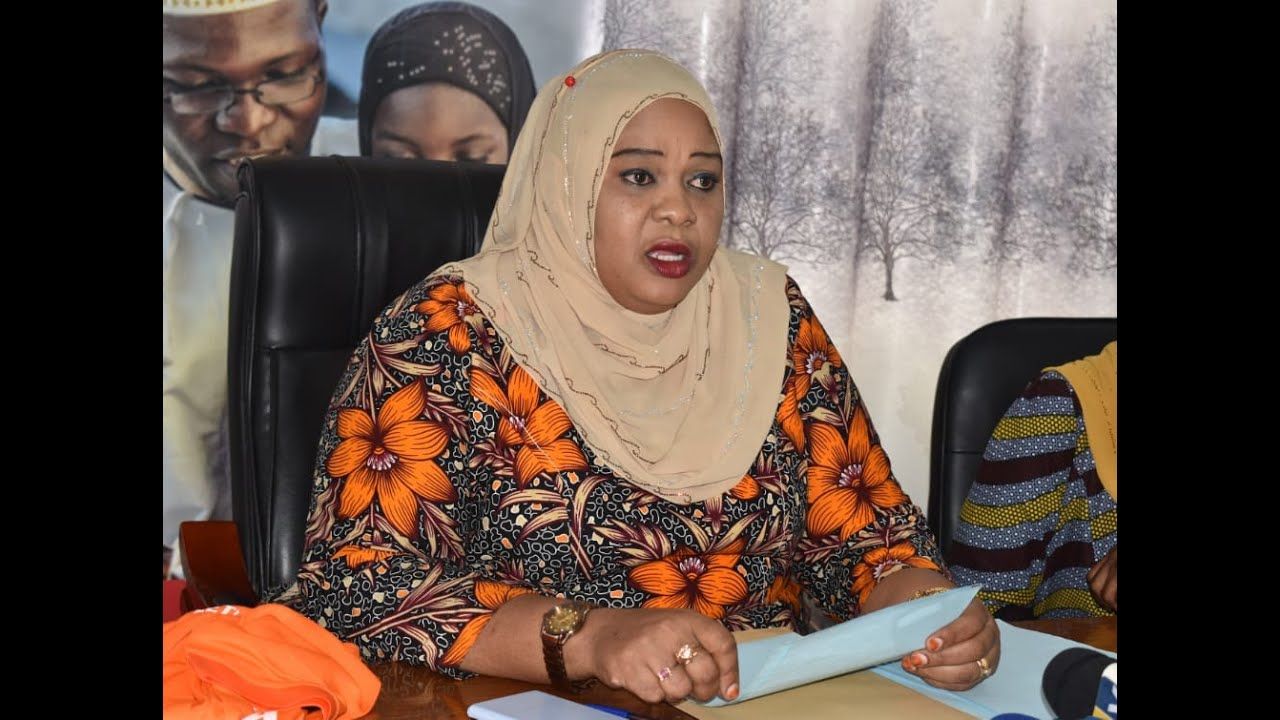
Isles Minister for Community Development, Gender, Women, Elders and Children, Riziki Pembe Juma, made the remarks when addressing Generation Equality Forum Midpoint Conference in New York, US last week.
She said the rights includes ensuring investments in gender-responsive public and private quality care services, law and policy reforms, creation of decent care jobs to recognize, reduce and redistribute unpaid care work.
The Minister said Tanzania membership to the Global Alliance for Care has been key instrument for Zanzibar, providing a platform for learning and knowledge exchange on effective policies and programmatic actions that tackle the unequal distribution of care work, which inhibits women’s social and professional growth.
In Zanzibar, for instance she said women spend just over four hours on unpaid work, compared to 0.7 hours for men.
However, she said to overcome the challenges Tanzania and Zanzibar have incorporated specialised modules into the Household Budget Survey which measures the time allocation between men and women in both economic and non-economic activities.
“We are also expediting the rollout of Universal Care Systems, aimed at ensuring equal enjoyment of human rights through care systems that reach the entire population.
“These systems encompass services, infrastructure and frameworks designed to be inclusive of all individuals – women and men, in urban and rural settings, living with or without disabilities, leaving no one behind irrespective of their socio-economic status,” Pembe said.
She said as part of implementation of the National Multi-Sectoral Early Childhood Development Program developed in 2021, Zanzibar has established 54 early childhood development centers to reduce the child care burden on women, and enable them to engage more in earning economic activities.
The minister added that the government has encouraged the private sector to establish lactating rooms for nursing mothers, and has seen great examples of this in practice from two of Tanzania largest banks in the country, NMB Bank and CRDB.
Dr. Doroth Gwajima, Mainland Minister for Community Development, Gender, Women and Special Groups and Chairperson of GEF, said Tanzania recognizes and takes care of women through placing efforts to address the challenges they face.
She called on the stakeholders and the media to support the government to unearth violation of rights against women and girls so that justice can prevail, including advancing efforts to combat gender-based violence and empowering women to become economically capable to take care of their families.
The 2023 Generation Equality Midpoint event provides an important opportunity to mobilize sustained attention to invest in gender equality as an accelerator for the SDGs at a time when women’s rights are under increased threats globally.


 UN House182,